How Many Google Reviews Does a Tradie Need?
What matters more than the total, and how to keep reviews coming.

There is no magic number. Get past 20 so people take you seriously, keep your rating at 4 stars or better, and then make sure a few new reviews land every month. Fresh reviews matter more than a big total.
What customers look for
The best recent numbers come from BrightLocal's 2026 survey of 1,002 US adults. They are American, so treat them as a guide.
| What customers said | Share |
|---|---|
| Won't use a business with fewer than 20 reviews | 47% |
| Will only use a business with 4 stars or more | 68% |
| Will only use a business with 4.5 stars or more | 31% |
| Look for reviews written in the last three months | 74% |
Read those together and the picture is clear. People want enough reviews to trust the rating, a rating of 4 or better, and proof that you are still doing good work this year.
What Google says
Google has never published a number of reviews you need. What it does say is that local results are based mainly on relevance, distance and prominence. Prominence is partly about how many reviews you have. In Google's words, "More reviews and positive ratings can help your business's local ranking."
Notice what that does and doesn't promise. More reviews and better ratings can help. Nobody can tell you that 50 reviews gets you into the top three.
On replies, Google says helpful replies can help your business stand out. It does not say replying lifts your ranking. Reply because customers expect it, not as a ranking trick.
Why fresh beats big
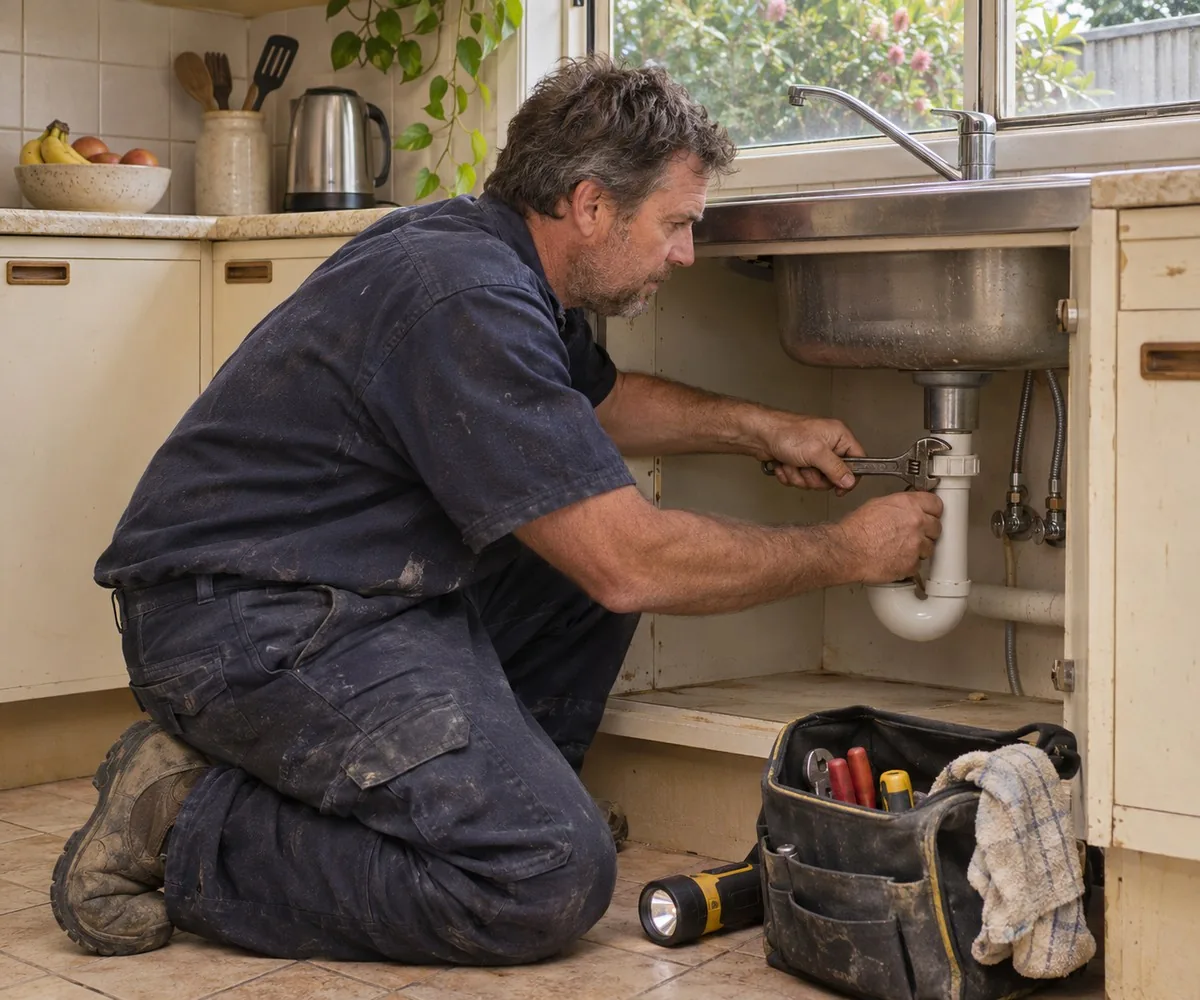
Picture two plumbers in the same suburb. One has 150 reviews and the newest is from 2023. The other has 40 reviews and five of them are from last month. Most customers will ring the second one, because those reviews describe the business as it is today.
That is why the question to ask is "how many did I get this month?", not "how many do I have?"
A simple target
| Where you are now | What to aim for |
|---|---|
| Fewer than 20 reviews | Get to 20. Ask every customer from this week on. |
| 20 or more | A few new reviews every month, with no long gaps. |
| Rating under 4 stars | Fix what the bad reviews complain about, then keep asking everyone. |
The maths is on your side. Say you finish 20 jobs a month and one customer in four leaves a review when asked. That is five new reviews a month and 60 in a year. Those figures are an example, not a promise, but they show why asking every time is what gets you there.
Check your own patch
Your real target is local. Search Google for your trade and your suburb, then look at the top three results:
- How many reviews do they have?
- What is their rating?
- When was their newest review?
If they have 60 reviews and nothing new since winter, steady new reviews will make you look like the busier, safer choice.
Shortcuts that backfire
- Buying reviews. Fake reviews are against the law in Australia, and Google removes them.
- Getting mates and family to post. Google treats reviews from people with a personal or work connection as a conflict of interest.
- A sudden burst. Google's policy treats unusual volumes or patterns of reviews as a sign of manipulation. Thirty reviews in a weekend looks wrong. Five a month looks real.
- Offering a discount for a review. Google does not allow incentives of any kind.
The takeaway
Get past 20, hold 4 stars or better, and keep a few new reviews coming every month by asking every customer.
ReplyMate's monthly report shows your review count, rating and response rate, so you can see whether you are on track.